
Commercial Cleaning and WHS Compliance: What Perth Business Owners Need to Know
Understanding commercial cleaning WHS compliance perth is part of running a safe workplace, not just an operational nicety.
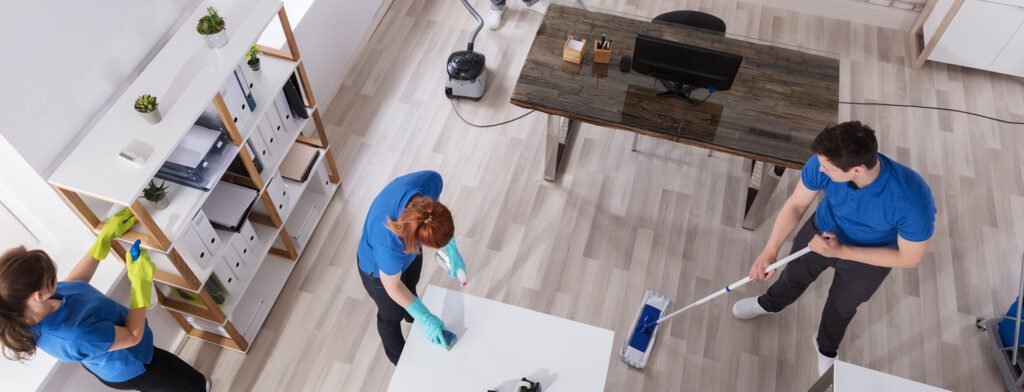
Most business owners think of cleaning as a presentation issue — making the workplace look good for staff and visitors. What’s less widely understood is that cleaning also sits inside your obligations under the Work Health and Safety (WHS) Act. As a “person conducting a business or undertaking” (PCBU), you carry a primary duty of care for the health and safety of everyone who uses your premises, and how the space is cleaned and maintained is part of that duty.
1. Commercial Cleaning WHS Compliance Perth: What It Actually Requires
The WHS Act doesn’t hand you a specific cleaning schedule to follow — it requires you to manage foreseeable risks so far as reasonably practicable. Cleaning-related risks are some of the most foreseeable and preventable hazards in a commercial workplace, which means an inadequate or inconsistent cleaning routine can become a genuine compliance gap, not just a tidiness issue.
2. Common WHS Risks Linked to Poor Cleaning
- Slip hazards: wet floors without signage, or spills left unattended between scheduled cleans, are one of the most common workplace injury causes and one of the easiest to prevent.
- Chemical storage and handling: cleaning products need to be stored, labelled, and used correctly. If your cleaning provider can’t produce Safety Data Sheets (SDS) for the products used on your site, that’s a gap worth closing.
- Air quality and mould: poorly maintained bathrooms, kitchens, and HVAC systems can contribute to mould growth and air quality issues over time, particularly in Perth’s humid summer months.
- Blocked exits and walkways: cleaning equipment or waste left in corridors, stairwells, or near fire exits creates an obstruction risk that’s entirely avoidable with a properly managed routine.
3. What to Ask Your Commercial Cleaning Provider
A few direct questions can tell you a lot about whether your commercial cleaning provider takes WHS seriously: Can they provide SDS documentation for the chemicals they use on-site? Are staff trained specifically in safe handling and storage, not just general cleaning technique? Is there a clear process for reporting a hazard — a damaged floor, a leak, exposed wiring — that they notice while on-site? Our earlier piece on health and safety in cleaning covers this from the provider’s side.
4. Why Documentation Matters More Than It Seems
If an incident ever occurs and WorkSafe WA gets involved, being able to show a documented, consistently followed cleaning routine — not just a verbal assurance that “the cleaners come every day” — genuinely matters. A service log recording what was cleaned, when, and by whom gives you something concrete to point to as evidence of a managed, reasonably practicable approach to the risk.
5. This Applies to Every Type of Commercial Space
WHS duty of care isn’t limited to offices — it applies just as much to gyms, retail spaces, and any other commercial premises where staff or the public are present. The specific risks differ by setting, but the underlying obligation to manage them doesn’t.
Where to Find Official WHS Guidance
If you want to read the obligation in its own words rather than take our summary of it, WorkSafe WA is the state regulator and publishes guidance specific to Western Australian workplaces, including practical detail on managing hazards like slips, chemical storage, and air quality that a cleaning routine directly affects.
Cleaning That Covers Your Compliance, Not Just Your Presentation
Contact JKleen Services for Commercial Cleaning WHS Compliance Perth businesses can rely on — a documented routine built with your WHS obligations in mind, not just how the space looks at a glance.